Tags
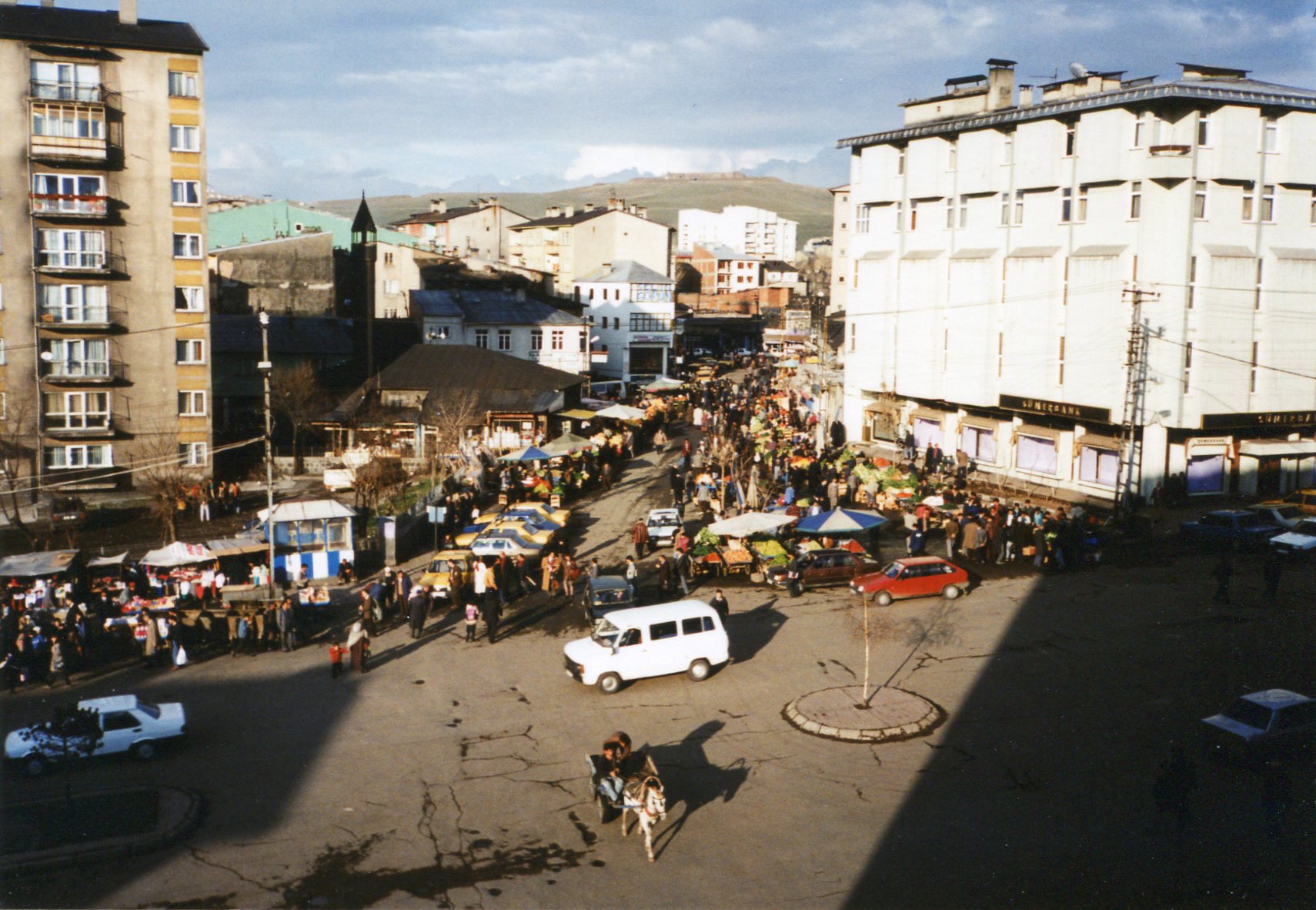
Ahmed Edip Harâbî (1853-1917) was one of the most important Bektashi poets of the late 19th and early 20th centuries. He is known for his great ‘cycle of existence’ – or devriye – poems such as the one presented and translated by John Kingsley Birge in his seminal 1937 publication The Bektashi Order of Dervishes, beginning (in Birge’s translation):
Before the ‘B’ and the ‘E’ ever appeared
We are the beginning of the universe
Before any became joined to the face (of God)
We are the ‘distance of two bows or closer’
Or his great, long poem the ‘Vahdetname’ – a truncated version (about half) of which was included in translation in Jennifer Ferraro and Latif Bolat’s publication of ‘mystical rebel poems of the dervishes of Turkey’ titled Quarreling with God (Cloud Press, 2007). Both of these works survive with musical arrangments. The ‘Vahdetname’, as performed by Emekçi, was included on the groundbreaking album Kızılbaş prepared by Ulaş Özdemir for Kalan Müzik in 2009; as Özdemir has said, this was an album put together with the idea of initiating a series of albums to present the most ‘radical’ Alevi-Bektashi works yet recorded. (Kalan produced a second Kızılbaş named album in 2011 and in 2014-2015 a follow-up series of two double CDs titled Aleviler’e‘.) Moreover, as Özdemir says, this album “is from beginning to end a political work … [from] the viewpoint of Alevi-Bektashi communities in their everyday lives lives as well as in their faith”. It is weighty with works by Harâbî – as well as the Vahdetname there are two other works by him including the opening track given the title ‘Kızılbaş’ – as well as songs from other hard edged Alevi (Kızılbaş) poets such as Teslim Abdal and İbreti.
Harâbî was known to improvise many of his poems but he did leave behind a large manuscript collection amounting to around 519 poems. Interestingly, he included many brief comments about the context of a number of these improvisations. Harabi’s works range from the mystical to the satirical showing the influence of the greats from Yunus Emre to Pir Sultan to the biting satire of Kaygusuz Abdal. Harâbî is also notable for composing works in various identities including female identities using the names Lutfiye and Zehra Bacı (for more on Harabi’s writing as Bektashi ‘sisters’ see the 2017 paper by Ömer Ceylan titled: “Bektâşî diliye kadın müdâfaası” Edip Harâbî’nin Lutfiye ve Zehra bacılar ağzından yazdığı nefes).
The two works I have translated here are certainly minor works, but interesting in themselves. The first is one that attracted my attention when researching for my PhD on the mahlas – self-naming convention – in Alevi lyric song. In this poem Harâbî refers to his taking of the mahlas Harâbî – even giving dates, making the point that taking the mahlas is a transcendent act that connects to a tradition or master (in this case from Mehmed Ali Hilmi Dede Baba, who we met in my previous post being somewhat disparaged by Vahid Dede for his ‘syrupy’ musical influence). Harâbî includes notes about the dates and numbers in this work, saying this was spoken ‘nutku söylediğim‘ in 1318 [1902], he was born in 1269 [1853], he is currently 49 years of age, he was initiated into the dervish order – nasîb aldığım – at the age of 17 and has completed 32 years as an initiate.
The second poem – an improvised ghazel (or not a ghazel as the title suggests) – is something quite different. On my initial reading it reminded me of Catullus in his personally directed satire and vulgar insult. Such works as this certainly bring to life a real person behind some of the most sublime mystical works and indeed he uses his birth name ‘Edip’ as the mahlas in this poem. Harâbî includes a note to this poem to the effect: ‘said for an errant gentleman as needed’. He also provides a rather cryptic introductory note saying it is a published “improvisation … people who don’t know how to fly prevent flying birds from flying, and some people, the honorable ones, have made the wings of the flying birds fly more than the flying bird, for God’s sake! 12 March 1324 [1906]”.
Edip Harâbî : Peder ve vâlidem oldu bahâne
Translation: Paul Koerbin
My father and mother were the root cause
The restlessness of two oceans meeting
In one thousand two hundred and sixty-nine
Manifest I arrived and came into the world
I was freed from this world and I withdrew
At seventeen years of age from my birth
From Mehmed Ali Hilmi Dede Baba
Let there be thanks, I achieved the possibility
My name was Edip and I became Harabi
I was dust at the feet of the Enlightened
I became an opened book for them
Proclaiming ‘let there be love’ to the Knowing
——————————————————-
Original text from: Dursun Gümüşoğlu, Ahmed Edîb Harâbî Dîvânı: yaşamı ve tüm şiirleri (3rd ed. Can Yayınları 2013), p. 182
Peder ve vâlidem oldu bahâne
Merec-el-bahreyni yeltekıyâne
Bin iki yüz altmış dokuzda kâne
Eriştim zâhiren geldim cihâne
Berzahtan kurtuldum çıktım aradan
On yedi yaşında doğdum anadan
Mehmed Ali Hilmi Dede Baba’dan
Çok şükür hamd olsun geldim imkâne
Nâmım Edip idi Harâbî oldum
Erenlerin ayak türâbı oldum
Anınçün herkesin kitâbı oldum
Aşk olsun okuyan ehl-i irfâne
Edip Harâbî : Gazel değil Hazel
Translation: Paul Koerbin
Oh Kamil Efendi, why do you act so foolishly?
You go awry abandoning the right path
If your jacket is torn and button on your pants snaps off,
And you can’t find thread, with what would you stitch it?
If you have a secret place, fine, or if perhaps you don’t,
If you find a jenny, where would you screw it?
You can’t appreciate this poem being a small gem
And now you pervert this true word
You’ll destroy the garden of the perfect one
Is it apt, Edip, so you sow the seed of forgetfulness?
—————————————————————
Original text from: Dursun Gümüşoğlu, Ahmed Edîb Harâbî Dîvânı: yaşamı ve tüm şiirleri (3rd ed. Can Yayınları 2013), p. 483
Ey Kamil Efendi neye çahillik edersin
Doğru yolu terk eyleyerek eğri gidersin
Yırtılsa caket pantolonun düğmesi kopsa
İplik bulamazsın anı sen neyle dikersin
Gizli yeriniz varsa güzel, yok ise şayet
Bir kancık eşek bulsan onu nerde düzersin
Bu şi’ir-i güher paremi takdir edemezsin
Bu doğru sözü şimdi de sen eğriye çekersin
Kamil olanın tarlasını mahv edeceksin
Layık mı Edib böyle nisyan tohumu ekersin
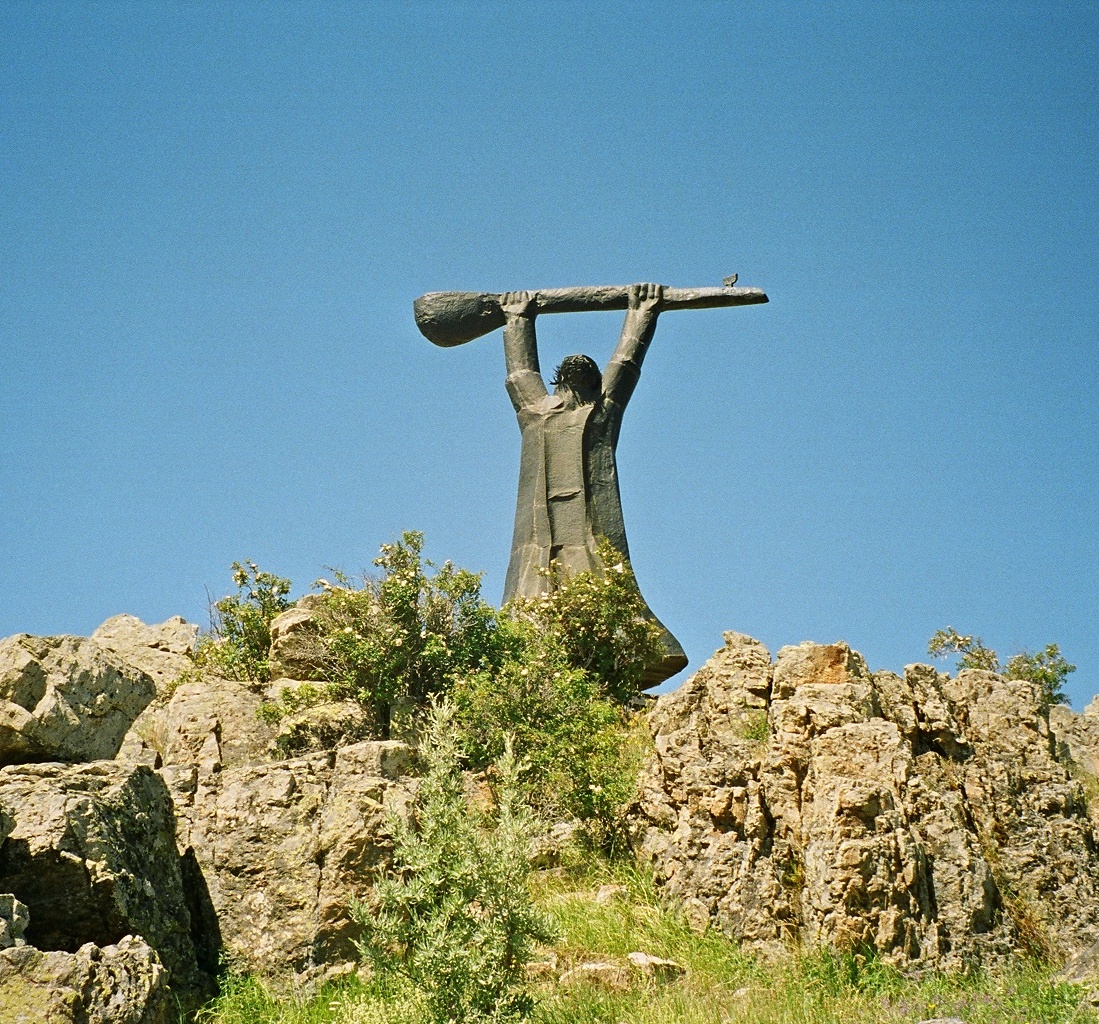
 PİR SULTAN ABDAL and me