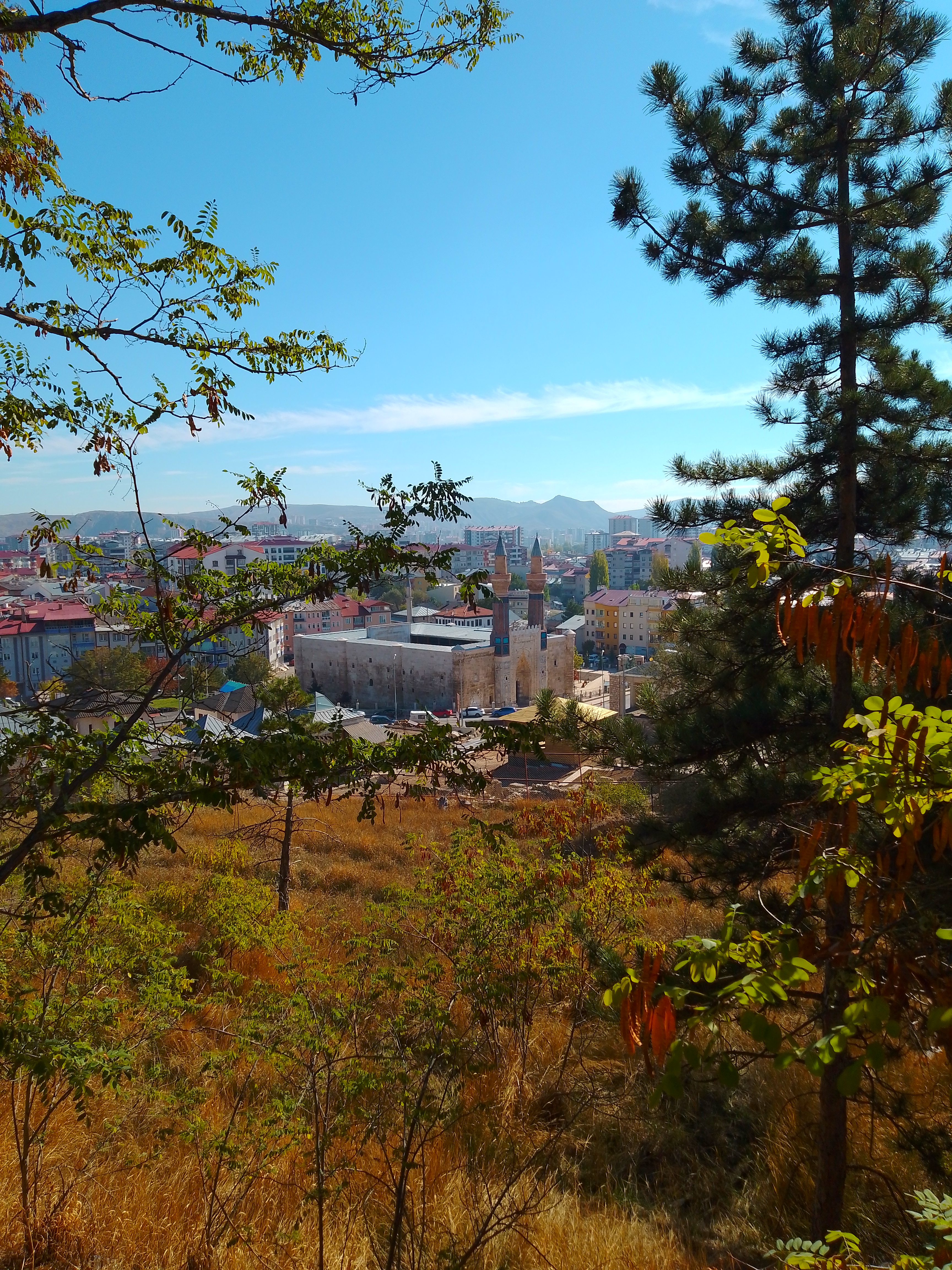
Gök Medrese from Sivas Kalesi (October 2024)
This text first appears in the Sadettin Nüzhet [Ergun] 1929 publication of Pir Sultan Abdal texts. This is the main text I have followed for the translation although I have also referred to the 1943 publication by Gölpınarlı and Boratav which reprints Ergun’s text with some minor, mostly orthographical, changes. In fact, this text persists with very few variants. Most notable is the use of ‘teşevvüştür‘ for ‘neşterlidir‘ in the 4th verse. I have also seen a version of this verse that replaces ‘gün gelir geçer …’ in the second line with ‘gürler gelir geçer …’. The idea of gürlemek, to thunder or make a loud noise, together with the original sense of passing days has influenced my translation towards the idea of ‘croaking’ – for better or worse. The word ‘can’, simple, manifold and profound, always presents a challenge and frustration as it is impossible to convey the full depth of meaning – while also, for the same reasons, it gives the translator considerable interpretive scope. The song is a great cris de coeur emphasised by the repetition of the vocative gel – come! – at the end of each verse. As Gölpınarlı and Boratav note, this rhyme recalls a similar use by Gevheri (died early 18th century), for example in the lyric (originally published by Köprülü in 1929) beginning: ‘Ne nihan edersin benden yüzünü / Hasretinle hâlim yaman oldu gel / Hak aşkına olsun göster yüzünü / Görmedim cemâlın zaman oldu gel‘ (see M. Fuad Köprulü, Saz Şairleri I-IV. Akçağ, 2004. p192-193).
The song has been recorded by some of the great Alevi musicians including Feyzullah Çınar and Aşık Daimi as well as ‘urban’ interpreters such as Ruhi Su and Rahmi Saltuk. Recorded versions of the song closely follow the original text although usually with the omission of the 4th verse (as in the case of Feyzullah Çınar and Ruhi Su) or both the 3rd and 4th verses (as in the case of Aşık Daimi and Ahmet İhvani). Interestingly (for me at least) Aşık Daimi reverses the form of the mahlas from “Pir Sultan Abdal’ım” to “Abdal Pir Sultan’ım”. The form of the mahlas is something I have written about at length elsewhere. A notable version available on YouTube is that by the Canadian based Alevi musician Ahmet İhvani in a masterful performance incorporating the ‘Deli Derviş’ bağlama instrumental work as a prelude to the song.
Pir Sultan Abdal: Gam elinden zülfü siyahım
Translation: Paul Koerbin
Grief from your hand, my divine beauty,
Struck like an arrowhead wounding my heart – Come!
Don’t make me weep for your great wound
Today love was split from the soul – Come!
My native home became a fortress of sorrow
My cry unheard my prayer unheeded
My woe not one, not five, nor ten
But come upon as knots upon knots – Come!
Shall I thus be bound to longing?
Did Leyla endure for Mecnun?
The world is transitory – come, don’t begrudge me
My burden of chattels let for pay – Come!
Whatever my pained heart suffers it bears no scar
Then one croaks and life is never fulfilled
Old wounds are opened and are never healed
The verdant place has turned to black – Come!
I am Pir Sultan Abdal – in a week in a month
Days come and go and nothing is gained
The heart longs for God – my soul in futile pursuit
My black earth cast in heaps upon me – Come!
————————————————————————————————————
Original text from Sadettin Nüzhet [Ergun], XVII inci asır Sazşairlerinden Pir Sultan Abdal Bütün Şiirleri (1929)
Gam elinden benim zülfü siyahım
Peykan değdi sînem yaralandı gel
Suna başın içün ağlatma bizi
Bu gün sevdâ candan aralandı gel
Gamdan hisar oldu mekânım yurdum
İşitmez âvazım dinlemez virdim
Bir değil beş değil on değil derdim
Düğümler baş urdu sıralandı gel
Hasretine vâsıl olam mı böyle
Mecnun’a da bâkî kalır mı Leylâ
Ölümlü Dünya’dır gel helâl eyle
Yüklendi barhanem kiralandı gel
Ne çekerse dertli sinem dağolmaz
Günler gelir geçer ömür çokolmaz
Neşterlidir yaralarım onulmaz
Kökerdi çevresi karalandı gel
Pir Sultan Abdal’ım haftada ayda
Günler gelir geçer bulunmaz fayda
Gönül Hak arzular canım hayhayda
Toprağım üstüme karalandı gel


 This deyiş appears in Ergun’s 1929 collection of Pir Sultan’s lyrics and again in Gölpınarlı and Boratav’s 1943 edition where the source is given as Ergun, although with a couple of slight changes. In the first line of the 4th verse Ergun has Mağripte (Mağrib = Magreb, the West) while Gölpınarlı/Boratav give Meydana; and in the 3rd verse Ergun has küçük gazili while Gölpınarlı/Boratav have köçek gazili. The version used for my translation is from Memet Fuat (1999 reprint edition) who follows Ergun in regards to Mağripte (well almost, since he has the ablative Mağriğtan rather than the locative) and Gölpınarlı/Boratav in regards to köçek (both versions give the sense of a novice entering the tarikat). This deyiş is a good example of a theme found in the lyrics of Pir Sultan – the hope and expectation of the coming of the Shah, in this case the temporal ruler. It is for such allegiances that the kızılbaş were pursued by the Ottoman authorities. The word Urum refers to the land of ‘Rum’, Anatolia, the Ottoman lands. Three generations of the Safavids are referred to in the lyric (as Fuat notes): Shah Tahmasp is the ‘beautiful leader’ who is expected; and he is the ‘Shah’s son’, that is the son of Shah Ismail, the first Safavid ruler, while ‘Old Haydar’ refers to Ismail’s father and Tahmasp’s grandfather. The mahlas verse reveals that this expectation may be but a wish of Pir Sultan’s.
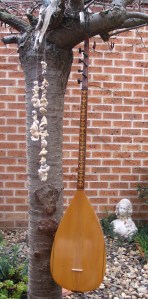 This deyiş appears in the all of the earliest collections of Pir Sultan Abdal lyrics, including Besim Atalay’s 1924 publication Bektaşilik ve Edebiyatı (originally in Ottoman Turkish but translated into modern Turkish by Vedat Atila and published by Ant Yayınları in Istanbul in 1991). It also appears in Sadettin Nüzhet Ergun’s 1929 work on Pir Sultan Abdal and in the 1943 publication by Gölpınarlı and Boratav. Comparing these editions is interesting since there are minor variants in the texts – the minor nature of the variants is of itself interesting and perhaps gives a glimpse of how a traditional lyric may be adopted into the Pir Sultan canon. The lyric is not overtly on the central themes associated with Pir Sultan such as the kızılbaş devotion to the Imam Ali (but see below) or subjects associated with his life story; rather it seems closer to Sufi themes and the lyrics of Yunus Emre. The text I have translated is based on that presented in Gölpınarlı and Boratav’s 1943 edition. This seems to be something of composite text, though Gölpınarlı’s method of presenting the texts, while stating sources does not make clear how variants are used. The authors cite the sources as Atalay, Ergun and an undefined number of cönk and mecmua in Gölpınarlı’s possession. The most interesting of the minor variations of text is found in the version presented by Atalay who gives the last line of each stanza as ‘Ali deyu inilerim’ (‘I moan crying Ali’) thus revealing somewhat more overtly the Alevi theme in the lyric. The one line that is different in the three versions cited is the third line of the second stanza which in Gölpınarlı reads ‘Oldum ayn-i cem bülbülü’, in Ergun reads ‘Olmuşam Şah’ın bülbülü’ and in Atalay reads ‘Oldum muhabbet bülbülü’. While the signficance of the line is hardly altered, the approaches ranging from the specific mention of the ritual ceremony (ayn-i cem), to the hoped for Shah and to the general idea of love and unity (muhabbet) is instructive.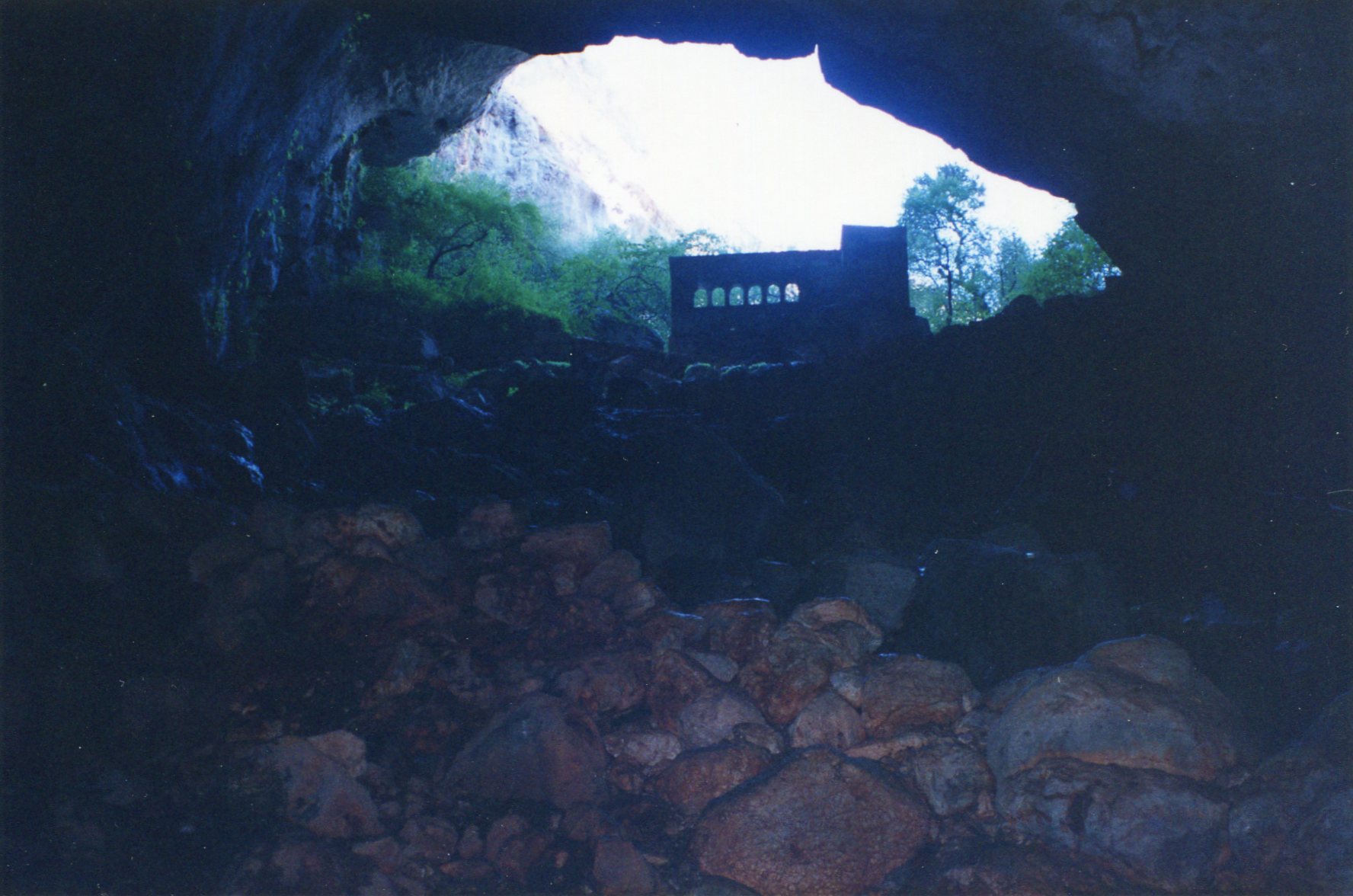
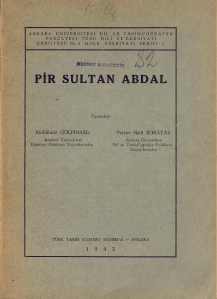 This book, simply titled Pir Sultan Abdal, was the second major work on Pir Sultan. It was published in 1943, 14 years after Ergun’s monograph, by the Türk Tarih Kurumu Basımevi in Ankara. The book was written and prepared by Abdülbâkî Gölpınarlı and Pertev Naili Boratav and is a major advance on Ergun’s book. Firstly it brings the literary historian (Gölpınarlı) and folklorist (Boratav) together. Most interesting is the work of Boratav who travelled in the Sivas region in 1939, including to Banaz, to undertake field work to collect songs and legends. Much that is in this book remains the foundation for our understanding of Pir Sultan. It includes around 136 song texts, but has a commentary of considerable substance. It also includes an index, glossary (lûgatçe) and some indication of the source of the text. A number of the texts come from Ergun, but there are also the texts collected by the great Sivas aşık Ali İzzet Özkan (1902-1981) mostly from the Şarkışla area from other aşık-s including Aşık Sabri and Aşık Veysel among others. The book is 198 pages in length and is bound in similar plain, soft cardboard to that of the earlier book by Ergun. As with the Ergun book, the printing is excellent. An expanded edition of the book was published nearly half a century later in 1991.
 PİR SULTAN ABDAL and me