• About Pir Sultan Abdal
  • About the ‘me’ in this blog
  • Index of translations on this blog
  • More translations available in my PhD thesis
  • Regarding the translations on this blog

PİR SULTAN ABDAL and me

~ A personal reflection on the great Alevi poet's lyric works and influence – mostly through translation

PİR SULTAN ABDAL and me

Tag Archives: deyiş

Pir Sultan Abdal ‘Benim pîrim Şah-ı Merdân Ali’dir’

28 Thursday May 2009

Posted by koerbin in Translations

≈ Leave a comment

Tags

Bisâtî, deyiş, Menakıb, Translation

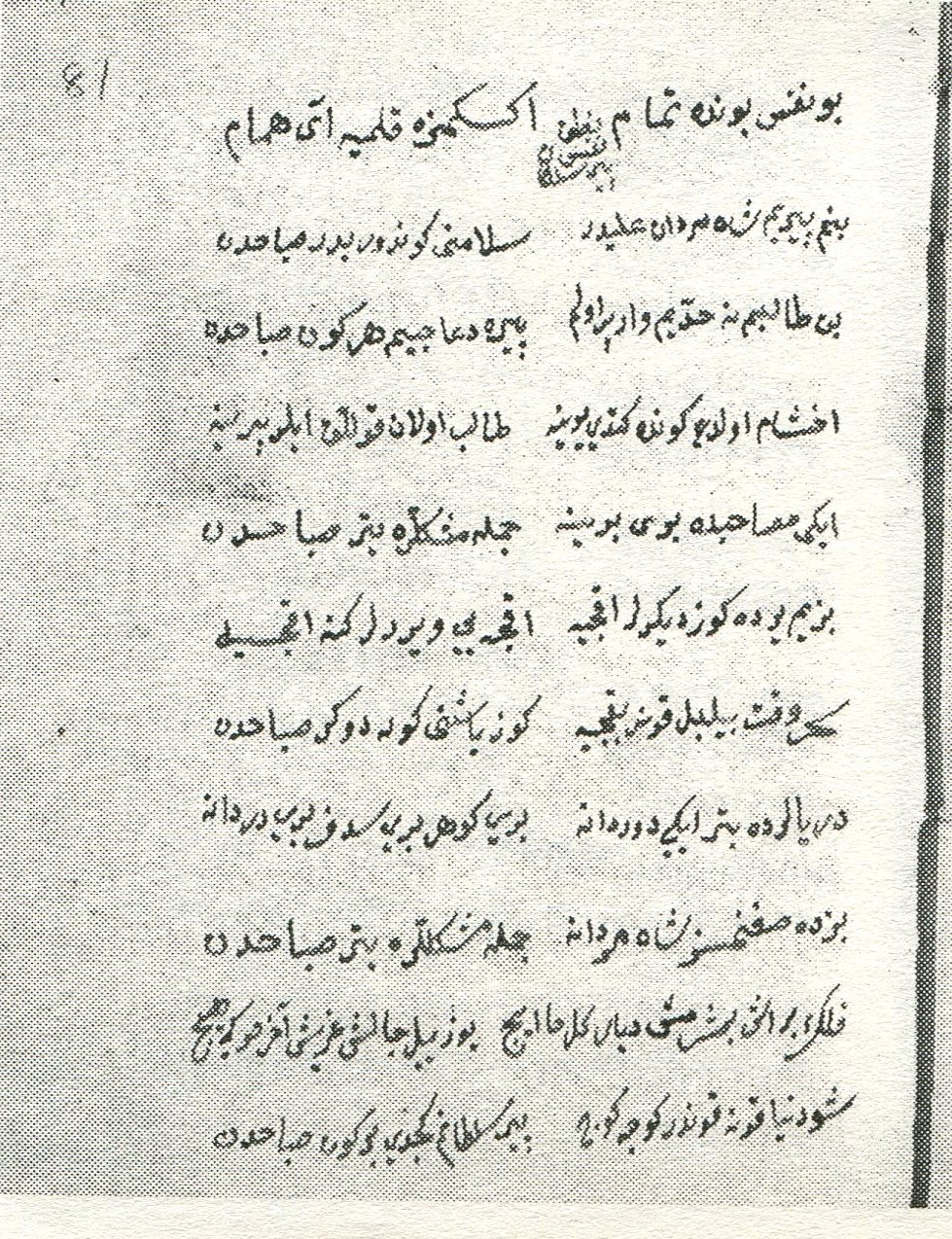
Benim Pirim facimileThis is a very challenging deyiş (nefes in the manuscript) to translate to English, so this must really be a work in progress. An interesting lyric because it comes from the the early 17th manuscript of the  Menâkıbu’l-Esrâr Behcetü’l-Ahrâr of Bisâtî (published in facsimile and modern transcription by Ahmet Taşğın in 2003). Interestingly, I have not found this text in any of the major collections of Pir Sultan Abdal poems. I have reproduced the transcription which does not adhere strictly to modern Turkish orthography. Given that this is one of the oldest recorded texts for a Pir Sultan lyric, we may reasonably look at it as carrying something of the original voice. The lyric, like much mystical poetry, shows a lot or paratactic elements (adding to the difficulty in achieving translation sense) and lacks some of the elements associated with lyrics that have been longer in the oral tradition, such as the repetition of lines (usually the last line in the quatrain). In this case we only get the repeated ‘cümle müşkillere yeter sabahdan’ in two verses. The translation tries to draw the essential character and meaning from the lyric, though may be uncertain in places. I found most difficulty in getting a satisfactory translation of the line ‘felek bir iş bişirmiş diyar gel ha ic‘ and I suspect the line ‘akceyi virirler gene akcesiye‘ may be proverbial, though I have not found a good English equivalent.  I have translated talib as ‘one who seeks’ rather than the simple noun ‘student’ as providing a better sense of the personal in the lyric (and perhaps to avoid other modernday confusions). The word ‘gün‘, the common word for day, also has meanings (particularly in older usage and poetry) of  ‘sun’ and ‘light’. Consequently I have used various aspects of this meaning in the translation. The image, taken from Taşğın’s book, is of the original text in the manuscript.

Benim pîrim Şah-ı Merdân Ali’dir

Translation: Paul Koerbin

My master saint is the Shah Ali

Send your greeting by the moon at dawn

I dare to strive to be as my saint

I pray to my saint with the morning light

Evening time and the sun recedes to the land

The one who is seeking worships his saint

Two in companionship one for each other

Enough for all hardships come the morning

Our eye to the ground  fixes on the coin

They give coin again for the coin itself

The nightingale settles in the garden before

dawn

With the morning the sun sheds it tears

Two pearls grow in the ocean depths

A pearl in part jewel in part shell

We take refuge with our Shah Ali

Enough for all hardships come the morning

A fateful work ripens the land, come and drink

Work a hundred years,  it is little in the end

That world of halting and moving on

I am Pir Sultan, he passed once with the morning

light

Original text from the Şeyh Sâfî Buyruğu (Menâkıbu’l-Esrâr Behcetü’l-Ahrâr) of Bisâtî edited by Ahmet Taşğın, Ankara 2003:

Benim pîrim Şah-ı Merdân Ali’dir

Selâmını göndür bedr-i sabahdan

Ben tâlibim ne haddim var pîr olam

Pîre duâcıyım her gün sabahdan

Ahşam oldı günde gitti yerine

Tâlib olan kulluk eyler pîrine

İki musâhibde biri birine

Cümle müşkillere yeter sabahdan

Bizim yerde göz dikerler akceye

Akceyi virirler gene akcesiye

Seher vakti bilbül konar bakceye

Göz yaşını gün döker sabahdan

Deryalarda biter iki dürdane

Biri gevher biri sedef biri dürdane

Biz de sığınmısız Şah-ı Merdâna

Cümle müşkillere yeter sabahdan

Felek bir iş bişirmiş diyar gel ha ic

Yüz yıl calış aziş ahir sonı hiç

Şu dünya kona kondur göce göc

Pîr Sultanım gecdi bir gün sabahdan
Aşık Daimi ‘Kainatın aynasıyım’

21 Thursday May 2009

Posted by koerbin in Translations

≈ 5 Comments

Tags

Aşık Daimi, deyiş, mahlas, Translation

daimiI am the Mirror of All Creation

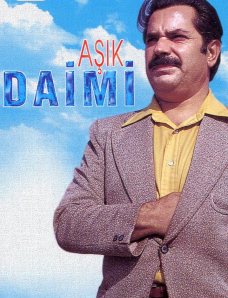
This is my translation of Aşık İsmail Daimi’s masterpiece deyiş  ‘Kainatın Aynasıyım’. Having in the past been pondering the themes found in Alevi deyiş, this is a prominent example of the humanist theme with, as Melih Duygulu notes, the religio-mystical (dini tasavvuf) references never really absent. If not always overt then certainly immanent. This is also a great example of the ability of the mahlas (or mahlas verse) to structure and form the unity of the lyric. The mahlas verse introducing a shift in tone and the humble nature of the subject (the aşık, the human being) reveals the enel-hak (I am God) theme as one that grounds and honours the human being and is no arrogant assertion. Again, there are plenty of challenges in translating this to English, even though this is a modern composition. I could translate the first line (title) as, more simply, “I am the mirror of the cosmos” or “I am the mirror of the universe”, a meaning that kainat certainly has. It also has the sense of  “all creation” which I have preferred because, while it conveys the sense of the universal it also has association with the living being among other things. The dilemma of how or if to translate aşık again arises however. While I am inclined to leave it un-translated to leave the multiple meanings of “one seeking to enter the tarikat“, “a minstrel-bard”, and a “lover” intact, I have experimented with “enraptured bards” (for the plural aşıklar) in this translation. I’m not entirely convinced by this and also experimented with “enraptured dervishes” though that did not scan as well. In Daimi’s recording (I think made in the 70’s and available on the album Gücenme Sevdiğim – unfortunately still not released on CD) he omits the second last verse.  Interestingly, on the version of the song on the seminal early 1980s recording (by Arif Sağ, Musa Eroğlu and Muhlis Akarsu),  Muhabbet 2, the subtle lyric change from “Kuran’ım” to “Kuran’ı” (dropping the personal possessive)  is made. Halil Atıkgan in his book Türkülerin İsyanı (Akçağ, 2003: pages 70-72) notes rather more comprehensive changes to the lyric in the TRT “repertoire” (no. 4070) version. You can hear Daimi’s recordng from Gücenme Sevdiğim on YouTube.

Aşık Daimi: Kainatın aynasıyım  (I am the mirror of all creation)


Translation: Paul Koerbin

I am the mirror of all creation

Since I am a human being

I am the depth of God’s being

Since I am a human being

Man in God and God in Man

If you  seek look in the human

There is no deficiency within Man

Since I am a human being

In me is knowledge in me is scripture

How many are the worlds in me

The writing tablet and pen are in me

Since I am a human being

So much desire wells up within

Comes forth fizzing like fireworks

Let the angels bow to me

Since I am a human being

I can write the Pentateuch

I can arrange the New Testament

I can discern my Quran

Since I am a human being

With my name I am God

With my body I reached God

With my design I resemble God

Since I am a human being

I am Daimi I am desolate

Humble as dust on the feet

I am wine for enraptured bards

Since I am a human being

——————————————————————————————

Kainatın aynasıyım

Mademki ben bir insanım

Hakkın varlık deryasıyım

Mademki ben bir insanım

İnsan hakta hak insanda

Arıyorsan bak insanda

Hiç eksiklik yok insanda

Mademki ben bir insanım

İlim bende kelam bende

Nice nice alem bende

Yazar levhi kalem bende

Mademki ben bir insanım

Bunca temenni dilekler

Vız gelir çarkı felekler

Bana eğilsin melekler

Mademki ben bir insanım

Tevrat’ı yazabilirim

İncil’i dizebilirim

Kuran’ım sezebilirim

Mademki ben bir insanım

Enel Hakkım ismin ile

Hakka erdim cismim ile

Benziyorum resmim ile

Mademki ben bir insanım

Dâimi’yim harap benim

Ayaklarda turap benim

Aşıklara şarap benim

Mademki ben bir insanım


Pir Sultan ‘Serseri girme meydana’

18 Monday May 2009

Posted by koerbin in Translations

≈ 1 Comment

Tags

deyiş, Gölpınarlı, Menakıb, Translation

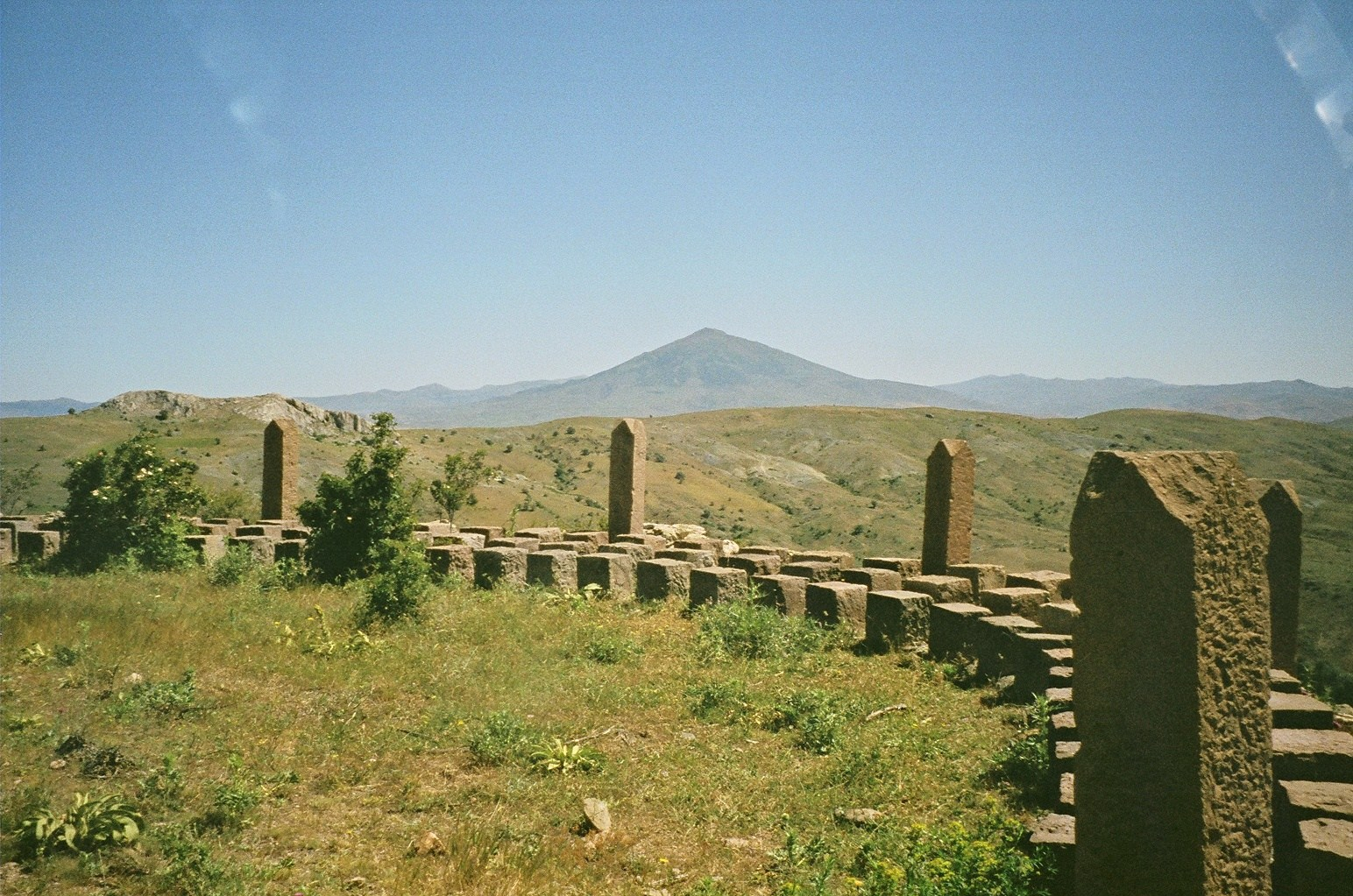
banaz-meydan1.jpg

Kırklar meydanı at Banaz with view towards Yıldız Dağı (Photograph: P. Koerbin, 2002)

This is my translation of one of the few Pir Sultan deyiş that survive from a near contemporary source. The oldest source for Pir Sultan’s poems is the Menâkıb ül-Esrâr Behçet’ül Ahrâr the büyük buyruk or İmam Cafer buyruğu assumed to date from the time of Shah Tahmasp (and possibly the work of Kul Himmet) although the surving manuscripts are early 17th century CE. The Menâkıb includes a small number of nefes (deyiş) although different manuscripts include different poems. Also included are poems by Şah Hatayî (Shah Ismail of Iran) along with Pir Sultan, clearly linking Pir Sultan to the Safavid Kızılbaş (Qizilbash) cause.

This particular lyric is from a manuscript of the Menâkıb that belonged to the the great Turkish literary and sufi historian Abdülbâkî Gölpınarlı and is included in what is still the most useful book on Pir Sultan, published originally in 1943 by Gölpınarlı  with the great folklorist Pertev Naili Boratav (with an expanded edition published in 1991). Unfortunately, as has also been lamented by Fuat Bozkurt in his edition of the İmam Cafer-i Sadık Buyruğu, we do not have access to the manuscript that was in Gölpınarlı’s possession, so the details cannot be confirmed or expanded nor the manuscript dated. Gölpınarlı identifies three nefes in his manuscript as being by Pir Sultan. In the editon of the Menâkıb published by Ahmet Taşğın there are only two nefes from Pir Sultan, and they are different to the three given by Gölpınarlı. The manuscript used by Taşğın and produced in (fairly rough) facsimile in his 2003 edition dates from around 1612 or 1613.  Anyway this lyric, Serseri girme meydana, gives a good sense of the feisty and robust lyric along with a pithy turn of phrase that seems to be authentic Pir Sultan. The language, as is often the case with this material, is both simple in essence and difficult and elusive in parts. It uses quite a bit of older Turkish and terms associated with the mystical pursuit. I have incorporated what I felt I reasonably could into the English translation, except for meydan (meanıng open space, but specifically the space where the ritual ceremonies are conducted) and aşık, meaning one who wishes to enter the tarikat (mystic order) way.

Pir Sultan Abdal: Serseri Girme Meydana

Translation: Paul Koerbin


Vagrant, don’t enter the meydan

They require conditions from the aşık

Don’t come the high and mighty with deceit

They want affirmation for the outward show

Awake from this somnolent stupor

They require proof of the inner person

From the conversation of every aşık

They require the way with declaration

Those who reach truth play a sure bet

There is no trick attached to this way

Here there are no baubles peddled

They require the ruby and the pearl

They go through parts splitting hairs

They grasp the one way and they go

The don’t count much for mere talk

The condition they require is within

Pir Sultan Abdal what do you do?

You say you have done the hard yards

You are a bee working over the flower

Tomorrow they will require honey from you

—————————————————————————————–

Original text from Gölpınarlı and Boratav, Pir Sultan Abdal (1943)


Serseri girme meydana

Aşıktan ahval isterler

Kallâşlık ile urma dem

Tasdik ehli kal isterler

Uyan bu gaflet hâbından

İsbat isterler bâtından

Her aşıka sohbetinden

İkrar ile yol isterler

Erenler oynar utulmaz

Bu yola hile katılmaz

Bunda harmühre satılmaz

Ya gevher ya la’l isterler

Kılı kırk pâre ederler

Birin yol tutup giderler

Dile n’ itibar ederler

Hâl içinde hâl isterler

Pir Sultan Abdal n’eylersin

Müşkil halledip söylersin

Arısın çiçek yaylarsın

Yarın senden bal isterler

Thesis writing

11 Monday May 2009

Posted by koerbin in Uncategorized

≈ Leave a comment

Tags

deyiş, mahlas, Thesıs

Writing about definitions of deyiş today; the point to be made is that that as a functional term it has a broad scope – and consequently allows for an inclusiveness when composing in this form – while at the same time derives its principle character and meaning from specific Alevi contexts. In a sense itis  not about how the lyric form is defined but rather what it signifies – which can be many things but significantly refering back to, or at least inhereting meaning from, more specific sub-genres (duaz, mersiye, tevhid etc), themes and subjects (tarikat principles and beliefs). But the deyiş is in essence a ‘statement’ – demek – and so the poetic identity, in the form of the mahlas, becomes a critical element.

All this going fine until I tried to work out how to have Endnote insert references at the end of the master document rather than in each sub-document.  That is yet to be resolved.

İnsan Olmaya Geldim (Nimri Dede)

07 Tuesday Apr 2009

Posted by koerbin in Translations

≈ 1 Comment

Tags

deyiş, Nimri Dede, Translation

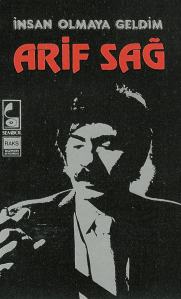
sag_cassette

Cover of original cassette release, 1983

My translation of one of the greatest modern Alevi deyiş, İnsan Olmaya Geldim by Nimri Dede (İsmail Dehmen who died in 1986). Hearing Arif Sağ’s musical arrangement and recording of this song was a revelation to me many years ago and though I could not understand it when I first heard it, it sent me on my path to find out what this music, so full of mystery and poetry, was all about. Remarkably a year or so after hearing this song I walked into a music shop in Şehzadebaşı in Istanbul, played a little of the song on a bağlama only to find that the poet’s grandson was working in the shop! Sercihan Dehmen, a very fine mey/ney/zurna player also, even more remarkably, had a typescript of his grandfather’s deyişler with him; and I was able to get a copy of the original words. The translation below however mostly follows the popular recorded version of the song, by Arif Sağ and others. Nimri Dede’s original line was ‘Mevlana oldum da geldim’ which is changed in the popular version to ‘insan olmaya geldim‘. A few other words were also changed (e.g. ‘kirini‘ to ‘kinini’ in the opening line) and two verses omitted. I have translated Nimri Dede’s original version elsewhere on this blog.


İnsan Olmaya Geldim  (I have come to be a human being)

Translation: Paul Koerbin

I cast out the enmity of duality from within me,

In the true self  I have come to become a human being.

Establish the throne to the heart of the true ones;

In word I have come to become a human being.

I have laid myself open,

I have come to be a human being.

Whatever love is, it is the essence of the soul;

The true direction to it  lies between the eyes.

The work of truth is the tint of strength.

On the face I have come to become a human being.

I have laid myself open,

I have come to be a human being.

What all the teachers have described;

The halting place that the true ones have reached;

Where the Prophets and saints have gone;

In these footsteps I have come to become a human being.

I have laid myself open,

I have come to be a human being.

Sometimes I have considered and sometimes been considered;

How many years have I been attached to a noose;

In the path of love I burned and was consumed;

In the ashes I have come to become a human being.

I have laid myself open,

I have come to be a human being.

At last I have come, drinking the wine of love.

I have chosen each pure beam from the darkness.

The mountains of existence I have pierced and passed over;

On the level I have come to become a human being.

I have laid myself open,

I have come to be a human being.

Behold now what Nimri Dede has done:

Of the true love to every heart he has sung;

To all manner of corruption he has bid farewell;

On the saz I have come to become a human being.

I have laid myself open,

I have come to be a human being.

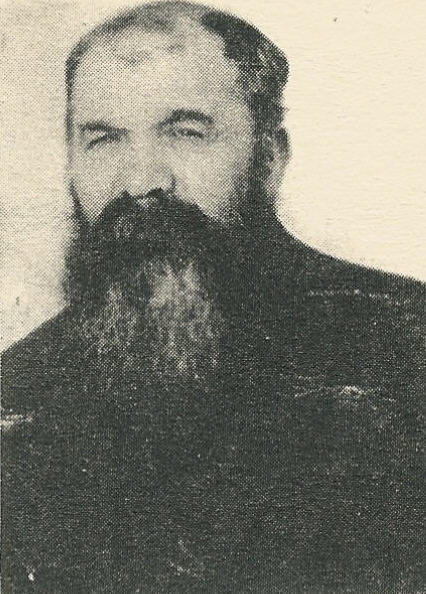
Nimri Dede

(Ismail Dehmen d. 1986)


Nimri Dede (d. 1986) photograph from İsmail Onarlı's book 'Şeyh Hasan Aşireti'

Nimri Dede (d. 1986) photograph from İsmail Onarlı’s book ‘Şeyh Hasan Aşireti’

Newer posts →

Blog at WordPress.com.

  • Subscribe Subscribed
    • PİR SULTAN ABDAL and me
    • Already have a WordPress.com account? Log in now.
    • PİR SULTAN ABDAL and me
    • Subscribe Subscribed
    • Sign up
    • Log in
    • Report this content
    • View site in Reader
    • Manage subscriptions
    • Collapse this bar
 

Loading Comments...