• About Pir Sultan Abdal
  • About the ‘me’ in this blog
  • Index of translations on this blog
  • More translations available in my PhD thesis
  • Regarding the translations on this blog

PİR SULTAN ABDAL and me

~ A personal reflection on the great Alevi poet's lyric works and influence – mostly through translation

PİR SULTAN ABDAL and me

Tag Archives: Aşık Daimi

Pir Sultan Abdal ‘Gam elinden benim zülfü siyahım’

12 Thursday Dec 2024

Posted by koerbin in Translations

≈ Leave a comment

Tags

Ahmet İhvani, Aşık Daimi, Feyzullah Çınar, Gölpınarlı, Gevheri, Pertev Naili Boratav, Ruhi Su

Exif_JPEG_420

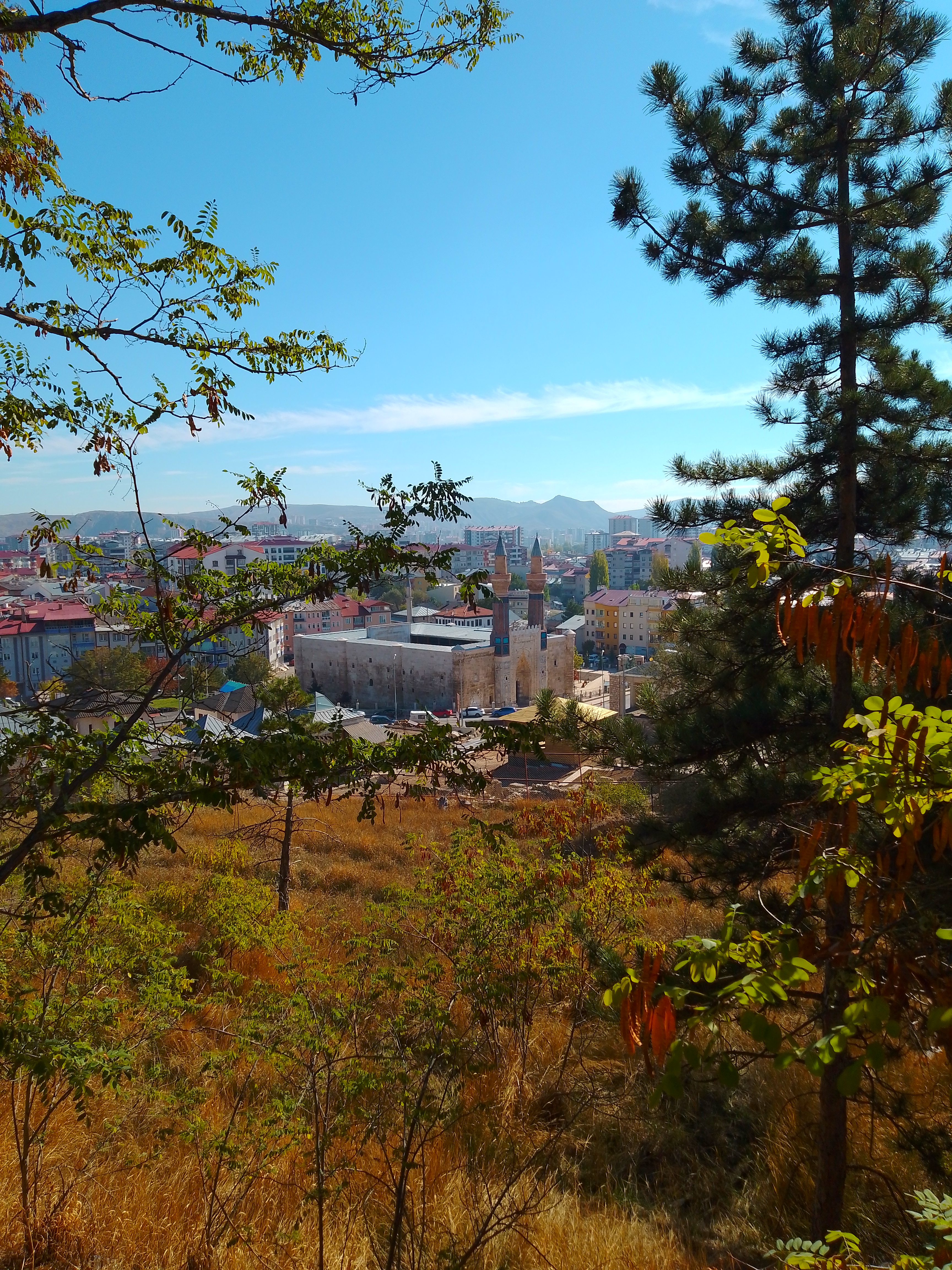
Gök Medrese from Sivas Kalesi (October 2024)

This text first appears in the Sadettin Nüzhet [Ergun] 1929 publication of Pir Sultan Abdal texts. This is the main text I have followed for the translation although I have also referred to the 1943 publication by Gölpınarlı and Boratav which reprints Ergun’s text with some minor, mostly orthographical, changes. In fact, this text persists with very few variants. Most notable is the use of ‘teşevvüştür‘ for ‘neşterlidir‘ in the 4th verse. I have also seen a version of this verse that replaces ‘gün gelir geçer …’ in the second line with ‘gürler gelir geçer …’. The idea of gürlemek, to thunder or make a loud noise, together with the original sense of passing days has influenced my translation towards the idea of ‘croaking’ – for better or worse. The word ‘can’, simple, manifold and profound, always presents a challenge and frustration as it is impossible to convey the full depth of meaning – while also, for the same reasons, it gives the translator considerable interpretive scope. The song is a great cris de coeur emphasised by the repetition of the vocative gel – come! – at the end of each verse. As Gölpınarlı and Boratav note, this rhyme recalls a similar use by Gevheri (died early 18th century), for example in the lyric (originally published by Köprülü in 1929) beginning: ‘Ne nihan edersin benden yüzünü / Hasretinle hâlim yaman oldu gel / Hak aşkına olsun göster yüzünü / Görmedim cemâlın zaman oldu gel‘ (see M. Fuad Köprulü, Saz Şairleri I-IV. Akçağ, 2004. p192-193). 

The song has been recorded by some of the great Alevi musicians including Feyzullah Çınar and Aşık Daimi as well as ‘urban’ interpreters such as Ruhi Su and Rahmi Saltuk. Recorded versions of the song closely follow the original text although usually with the omission of the 4th verse (as in the case of Feyzullah Çınar and Ruhi Su) or both the 3rd and 4th verses (as in the case of Aşık Daimi and Ahmet İhvani). Interestingly (for me at least) Aşık Daimi reverses the form of the mahlas from “Pir Sultan Abdal’ım” to “Abdal Pir Sultan’ım”. The form of the mahlas is something I have written about at length elsewhere. A notable version available on YouTube is that by the Canadian based Alevi musician Ahmet İhvani in a masterful performance incorporating the ‘Deli Derviş’ bağlama instrumental work as a prelude to the song. 

Pir Sultan Abdal: Gam elinden zülfü siyahım

Translation: Paul Koerbin


Grief from your hand, my divine beauty,

Struck like an arrowhead wounding my heart – Come!

Don’t make me weep for your great wound

Today love was split from the soul – Come!

My native home became a fortress of sorrow

My cry unheard my prayer unheeded

My woe not one, not five, nor ten

But come upon as knots upon knots – Come!

Shall I thus be bound to longing?

Did Leyla endure for Mecnun?

The world is transitory – come, don’t begrudge me

My burden of chattels let for pay – Come!

Whatever my pained heart suffers it bears no scar

Then one croaks and life is never fulfilled

Old wounds are opened and are never healed

The verdant place has turned to black – Come!

I am Pir Sultan Abdal – in a week in a month

Days come and go and nothing is gained

The heart longs for God – my soul in futile pursuit

My black earth cast in heaps upon me – Come!

————————————————————————————————————

Original text from Sadettin Nüzhet [Ergun], XVII inci asır Sazşairlerinden Pir Sultan Abdal Bütün Şiirleri (1929)


Gam elinden benim zülfü siyahım

Peykan değdi sînem yaralandı gel

Suna başın içün ağlatma bizi

Bu gün sevdâ candan aralandı gel

Gamdan hisar oldu mekânım yurdum

İşitmez âvazım dinlemez virdim

Bir değil beş değil on değil derdim

Düğümler baş urdu sıralandı gel

Hasretine vâsıl olam mı böyle

Mecnun’a da bâkî kalır mı Leylâ

Ölümlü Dünya’dır gel helâl eyle

Yüklendi barhanem kiralandı gel

Ne çekerse dertli sinem dağolmaz

Günler gelir geçer ömür çokolmaz

Neşterlidir yaralarım onulmaz

Kökerdi çevresi karalandı gel

Pir Sultan Abdal’ım haftada ayda

Günler gelir geçer bulunmaz fayda

Gönül Hak arzular canım hayhayda

Toprağım üstüme karalandı gel
Aşık Daimi ‘Kainatın aynasıyım’

21 Thursday May 2009

Posted by koerbin in Translations

≈ 5 Comments

Tags

Aşık Daimi, deyiş, mahlas, Translation

daimiI am the Mirror of All Creation

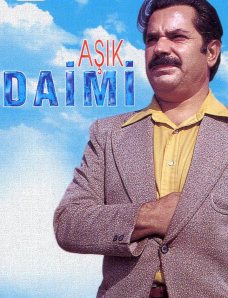
This is my translation of Aşık İsmail Daimi’s masterpiece deyiş  ‘Kainatın Aynasıyım’. Having in the past been pondering the themes found in Alevi deyiş, this is a prominent example of the humanist theme with, as Melih Duygulu notes, the religio-mystical (dini tasavvuf) references never really absent. If not always overt then certainly immanent. This is also a great example of the ability of the mahlas (or mahlas verse) to structure and form the unity of the lyric. The mahlas verse introducing a shift in tone and the humble nature of the subject (the aşık, the human being) reveals the enel-hak (I am God) theme as one that grounds and honours the human being and is no arrogant assertion. Again, there are plenty of challenges in translating this to English, even though this is a modern composition. I could translate the first line (title) as, more simply, “I am the mirror of the cosmos” or “I am the mirror of the universe”, a meaning that kainat certainly has. It also has the sense of  “all creation” which I have preferred because, while it conveys the sense of the universal it also has association with the living being among other things. The dilemma of how or if to translate aşık again arises however. While I am inclined to leave it un-translated to leave the multiple meanings of “one seeking to enter the tarikat“, “a minstrel-bard”, and a “lover” intact, I have experimented with “enraptured bards” (for the plural aşıklar) in this translation. I’m not entirely convinced by this and also experimented with “enraptured dervishes” though that did not scan as well. In Daimi’s recording (I think made in the 70’s and available on the album Gücenme Sevdiğim – unfortunately still not released on CD) he omits the second last verse.  Interestingly, on the version of the song on the seminal early 1980s recording (by Arif Sağ, Musa Eroğlu and Muhlis Akarsu),  Muhabbet 2, the subtle lyric change from “Kuran’ım” to “Kuran’ı” (dropping the personal possessive)  is made. Halil Atıkgan in his book Türkülerin İsyanı (Akçağ, 2003: pages 70-72) notes rather more comprehensive changes to the lyric in the TRT “repertoire” (no. 4070) version. You can hear Daimi’s recordng from Gücenme Sevdiğim on YouTube.

Aşık Daimi: Kainatın aynasıyım  (I am the mirror of all creation)


Translation: Paul Koerbin

I am the mirror of all creation

Since I am a human being

I am the depth of God’s being

Since I am a human being

Man in God and God in Man

If you  seek look in the human

There is no deficiency within Man

Since I am a human being

In me is knowledge in me is scripture

How many are the worlds in me

The writing tablet and pen are in me

Since I am a human being

So much desire wells up within

Comes forth fizzing like fireworks

Let the angels bow to me

Since I am a human being

I can write the Pentateuch

I can arrange the New Testament

I can discern my Quran

Since I am a human being

With my name I am God

With my body I reached God

With my design I resemble God

Since I am a human being

I am Daimi I am desolate

Humble as dust on the feet

I am wine for enraptured bards

Since I am a human being

——————————————————————————————

Kainatın aynasıyım

Mademki ben bir insanım

Hakkın varlık deryasıyım

Mademki ben bir insanım

İnsan hakta hak insanda

Arıyorsan bak insanda

Hiç eksiklik yok insanda

Mademki ben bir insanım

İlim bende kelam bende

Nice nice alem bende

Yazar levhi kalem bende

Mademki ben bir insanım

Bunca temenni dilekler

Vız gelir çarkı felekler

Bana eğilsin melekler

Mademki ben bir insanım

Tevrat’ı yazabilirim

İncil’i dizebilirim

Kuran’ım sezebilirim

Mademki ben bir insanım

Enel Hakkım ismin ile

Hakka erdim cismim ile

Benziyorum resmim ile

Mademki ben bir insanım

Dâimi’yim harap benim

Ayaklarda turap benim

Aşıklara şarap benim

Mademki ben bir insanım


Blog at WordPress.com.

  • Subscribe Subscribed
    • PİR SULTAN ABDAL and me
    • Already have a WordPress.com account? Log in now.
    • PİR SULTAN ABDAL and me
    • Subscribe Subscribed
    • Sign up
    • Log in
    • Report this content
    • View site in Reader
    • Manage subscriptions
    • Collapse this bar
 

Loading Comments...